Tree Roots in Sewer Lines · Lake Havasu City, AZ
Tree Roots in Sewer Lines in Lake Havasu City, AZ
We cut roots out of sewer lines from inside the pipe and camera-check the joint they came through, so you know whether cleaning is enough or a repair belongs on the plan.
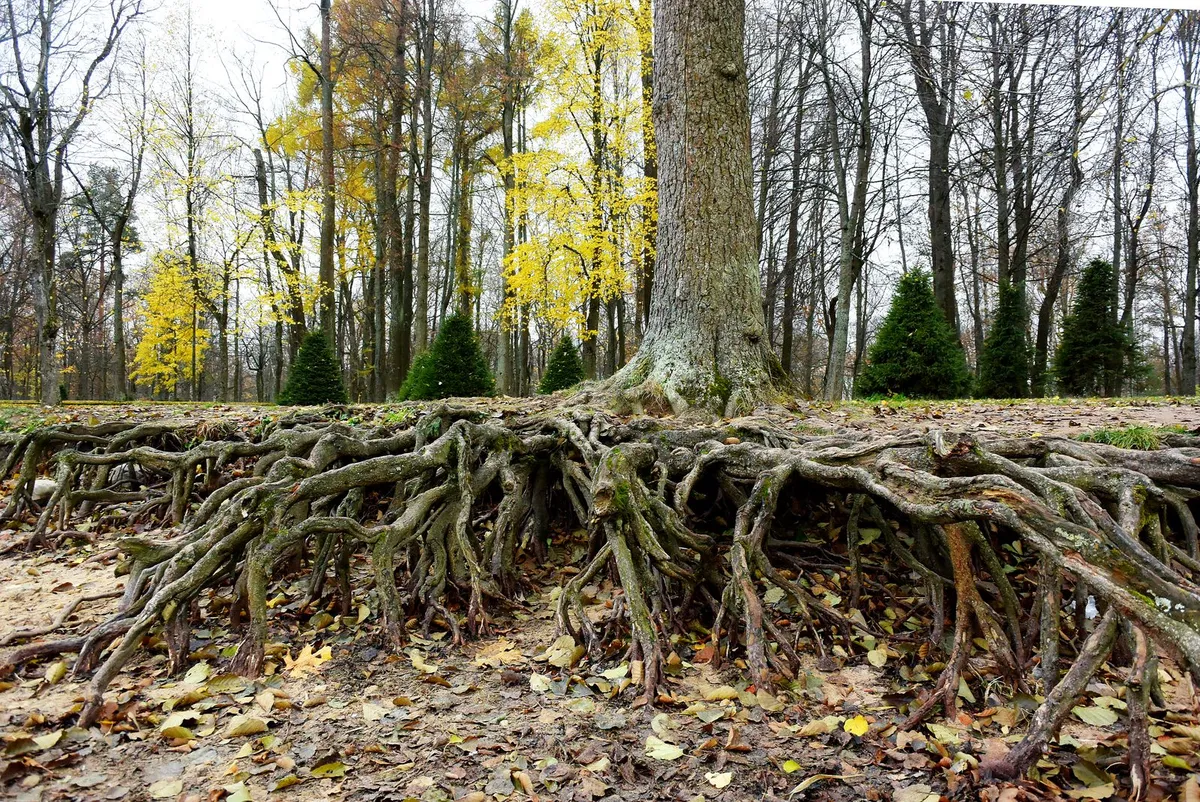
Roots are one of the most common reasons a sewer line slows down or backs up — and one of the most misunderstood, because clearing them and fixing the entry point are two different jobs. We cut roots out from inside the line and camera-check the joint they used, so both halves of the problem are on the table.
The sections below cover the no-dig question honestly, why roots invade lines in the first place, and how desert landscaping fits in.
No-Dig Clearing
Are tree roots in my sewer line fixable without digging?
The roots themselves, yes — cutting and jetting clear them from inside a sound pipe, with no excavation. But roots entered through a joint or crack, so they return on a cycle unless that entry point is repaired.
That cycle is the honest part of the answer: a root clearing restores full flow today, and a camera inspection of the entry point tells you how long to expect before regrowth matters again. Repairing the joint is what ends the cycle; cleaning is what manages it until then.
Why Roots Invade
Why do tree roots invade sewer lines?
A sewer line is a permanent source of water and nutrients. Roots find the vapour escaping at joints and cracks and grow toward it — the pipe's defect comes first, the roots second.
A line with sound, sealed joints gives roots nothing to find. That is why the useful question after a root clearing is never just "are they gone?" but "where did they get in?" — the answer decides whether this was a one-time clear or the start of a cycle.
Root Questions
Frequently asked questions
Are palm and oleander roots a sewer problem in desert landscaping?
In a desert city, roots chase irrigation water — shallow, watered landscaping near a line is exactly where roots find the joints. Palms and oleanders planted over or beside a line, and kept green by irrigation, put their roots in the same ground the line runs through.
The risk is placement, not the plant alone: the same landscaping set away from the line's path rarely matters. A camera run shows whether roots have actually found your line, rather than guessing from what is planted above it.
Will foaming root killer clear the roots in my sewer line?
Foaming root killer can slow regrowth after a mechanical cut, but it does not remove an established root mass or fix the joint the roots came through. Cutting comes first; foam is maintenance at most.
Used on its own against a line already full of roots, it treats the newest growth and leaves the blockage in place. The working order is the one on our sewer line cleaning page: cut the mass out, camera the entry point, then decide what maintenance is worth doing.
Related: hydro jetting is the water-based half of root clearing, and a camera inspection is how the entry point gets found.
A drain problem rarely fixes itself
Call for a camera-first look at the line and an itemised written quote before any work begins — you see what we see, then you decide.